Pico Rivera Roof Patch is a free referral service. We connect callers with independent local roofing professionals. Most roof trouble in this city starts small: a handful of shingles lifted by a Santa Ana gust, a cracked tile over the bedroom, a flat-roofed addition that ponds after every winter rain, a ceiling stain that grows a little each season. A well-made patch, fitted early, deals with that one damaged area properly — sound decking underneath, new material woven into the old, edges sealed against the next storm. Call, describe what you are seeing, and we connect you with a local professional who can look at the actual damage and talk through the fix in plain terms.
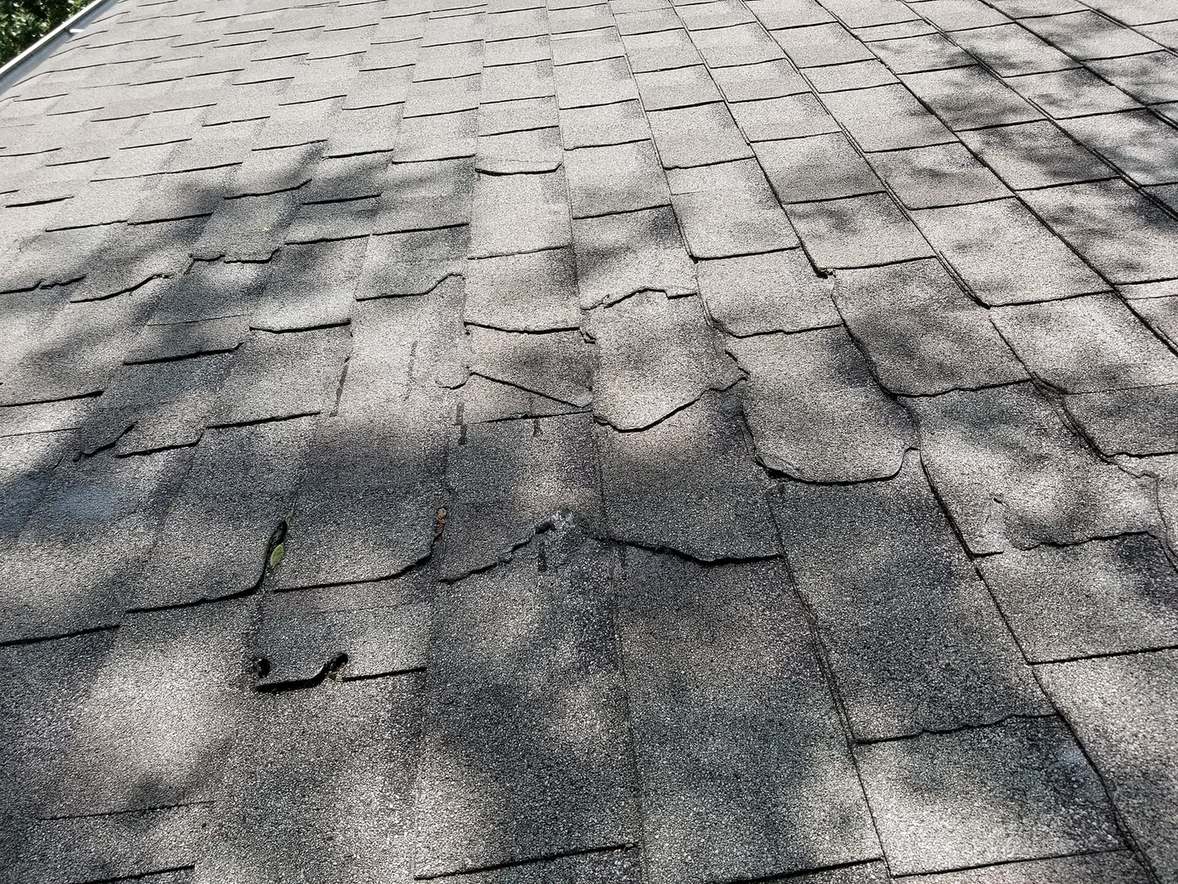
Sun-baked shingles curling at the edges?Los Angeles sun dries asphalt out season by season until a small failed area starts letting water under the courses above it.
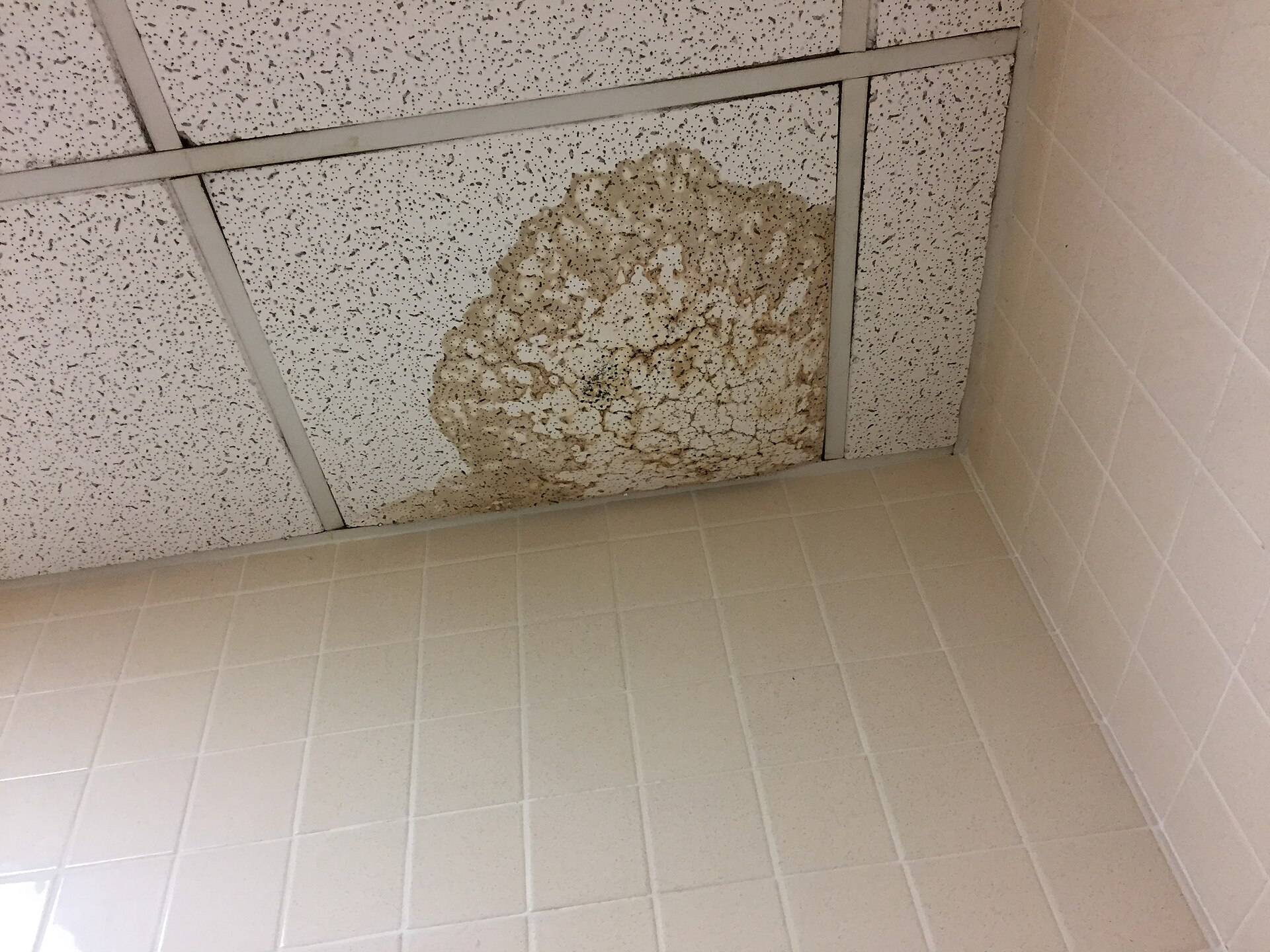
A stain that returns after every rain?The entry point is rarely above the mark. Tracing the water's path is the first step, not an extra.
The short answer
What is roof patch repair, and when is a patch the right call?
Roof patch repair is the targeted fixing of one damaged area of a roof: the failed material is taken out, the structure underneath is checked, and new material is fitted so the repaired section works as part of the whole slope rather than as a foreign island sitting on top of it. It is the opposite of smearing sealant over a symptom and hoping. A patch can involve shingles, tiles, a flat membrane section, or the flashing around a vent or chimney — the common thread is that the damage is local, the rest of the roof is sound, and the repair restores that one area to doing its job.
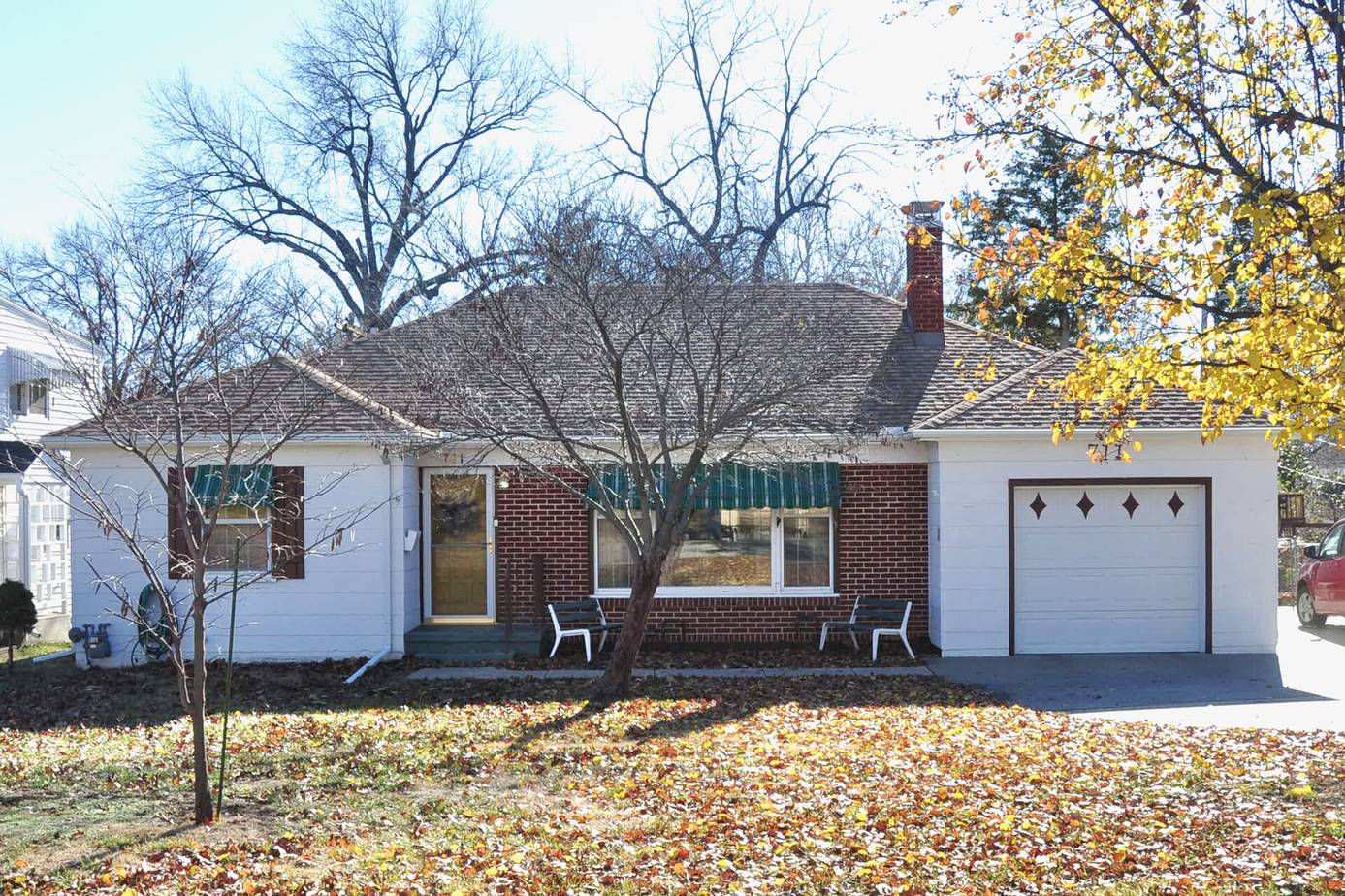
Pico Rivera's housing makes patch work especially common here. Much of the city was built in the post-war decades — single-story ranch homes, many of them re-roofed two or three times since, extended later with flat-roofed family rooms, patio covers, and garage additions. Those roofs do not usually fail all at once. They fail at one valley, one sun-beaten south slope, one flat section where water sits a day too long after rain. That pattern is exactly what roof patch repair is built for, while a leak that has announced itself indoors may need the tracing work described under roof leak detection before anyone picks up a tool.
When you call, expect to be asked what the roof is doing, not to be sold anything. Where is the stain, what came off in the last wind, which part of the house is involved, how old is the roof as far as you know — those answers shape the connection. From there we match your request with an independent local roofing professional, who can get on the roof, confirm what the damage actually is, and set out the repair. Nothing is patched, ordered, or agreed to on the first call; the decision stays with you and the professional who has seen your roof.
Services
Patch and leak services you can be connected with in Pico Rivera
Patch work is the focus here, from a single lifted shingle course to a leaking flat addition. These are the services Pico Rivera homeowners most often ask to be connected with — each one a local, specific job rather than a whole new roof.
Roof Patch Repair
The core service: one damaged area of roof, repaired properly. A full roof patch repair removes the failed material, checks the decking beneath it, fits new material so it overlaps and sheds water with the rest of the slope, and renews the flashing and seals at the edges. It is the right conversation when the roof as a whole still has life in it but one spot — a wind-torn corner, a cracked valley, a worn area under a tree branch — has stopped doing its job. Done early, a patch is a small, contained job; left alone, that same spot quietly wets the decking until the repair grows.
Asphalt shingles are the most common surface on Pico Rivera's ranch homes, and the most common patch. Shingle patch repair replaces missing, cracked, or curled shingles and reseats the courses around them so wind cannot get under the repair.
Additions, patio covers, and garage tops across the city wear flat or nearly flat roofs, and they leak at seams and ponding spots. Flat roof patch repair cuts back to sound membrane and bonds in a new section built to handle standing water.
When water is already getting in, roof leak repair fixes the entry point itself — failed flashing, a lifted course, a cracked seal at a vent — rather than painting over the ceiling and waiting for the stain to return.
Some leaks hide. The stain shows in the hallway, the entry sits two rooms away, and the roof looks fine from the street. Roof leak detection is the methodical work of following the water's path — from the stain, through the attic, up the slope to the flashing line, fastener row, or seam where it actually gets in. Finding the true entry is what separates a repair that holds from a patch that gets revisited after the next rain, and it is often the smartest first step when the visible evidence and the roof above it refuse to line up.
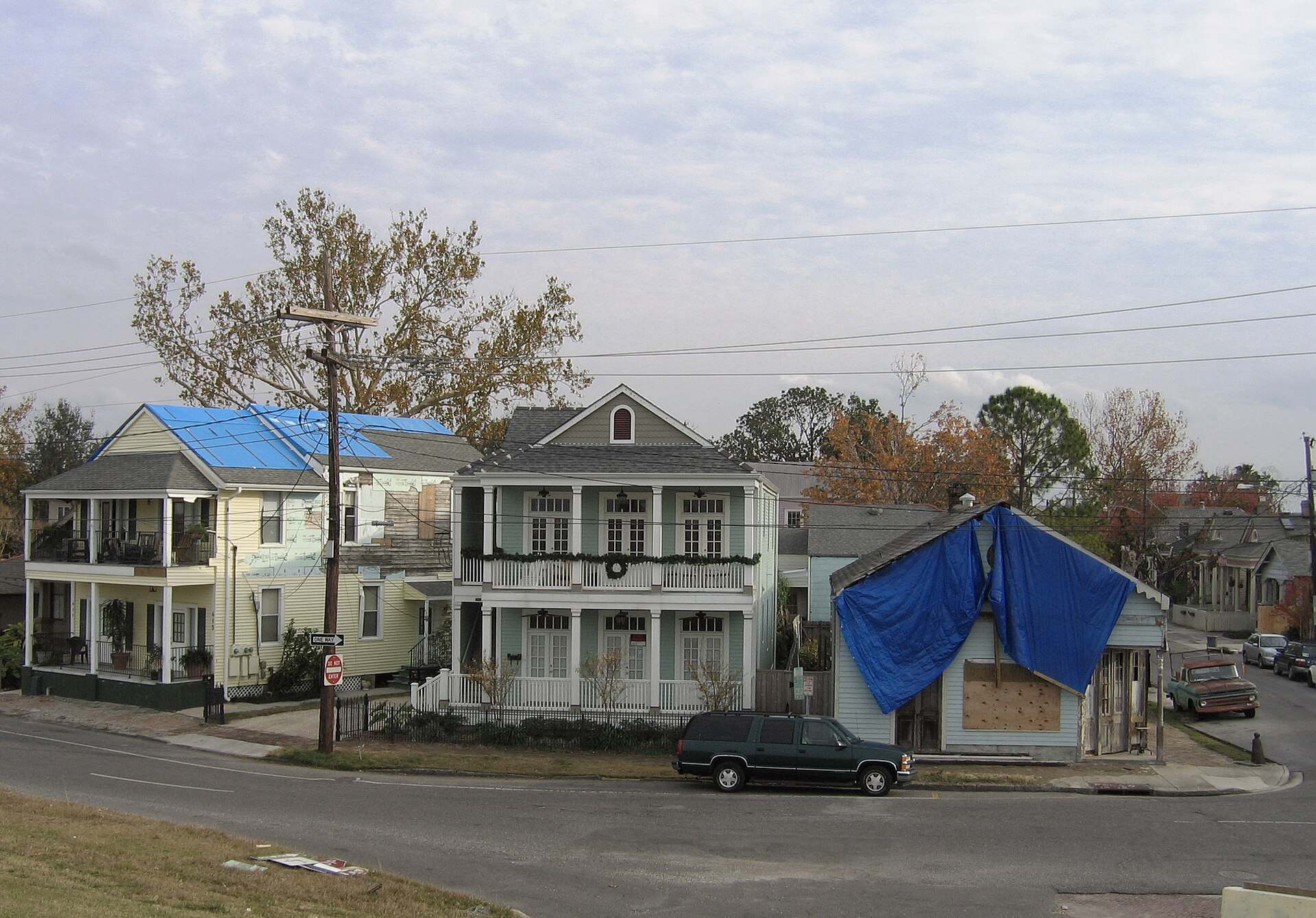
A section torn open by wind, a branch through the roof, water coming through the ceiling while rain is still falling — some patch jobs cannot wait for a calm week. Emergency roof repair help is one call away, day or night.
Roofs in this city rarely collapse into trouble all at once — one area goes first, and it usually announces itself. If any of these sound familiar, a look at roof patch repair now is far cheaper in effort than a ceiling later.
Shingles in the yard after wind
A few tabs or a whole corner course on the ground after a gusty night means the slope above has an open gap, and the next rain already knows where it is.
One ceiling stain, growing slowly
A single ring that darkens after rain and fades in dry weeks points to one entry above it — the classic patch-sized problem, if it is caught before the decking softens.
A worn patch on the sunny slope
One south or west facing area gone brittle and bare while the rest of the roof still looks serviceable. Sun damage is local before it is general.
Water sitting on a flat section
A puddle still standing on an addition roof a day after rain is pressing on seams the whole time it sits. Flat sections show their weak points exactly where the water lingers.
A drip at a vent, chimney, or skylight
Leaks that begin at one penetration are usually flashing or seal failures in a hand-sized area — small in size, exact in location, and made to be patched.
Cracked or slipped tiles in one cluster
A branch strike or a shifted run of tiles over one room opens a local gap in an otherwise sound tile roof. The underlayment beneath may already be taking weather.
Any one of these can have a small, contained cause, which is the good news — and the reason a professional look beats guessing from the driveway. If water is actively coming through, a section is torn open, or a branch is down on the roof, skip ahead to emergency roof repair. Otherwise, a conversation about what one proper patch involves takes a few minutes on the phone and leaves you knowing where you stand.
In-depth guide
Why Pico Rivera roofs fail one patch at a time
A Pico Rivera roof lives between two rivers and under one of the strongest suns in the county. The Rio Hondo runs along the city's west side and the San Gabriel River along the east, and the low ground between them holds morning damp and winter humidity that keep roof surfaces wet longer than the same roofs a few miles inland. Add the long Los Angeles summer, Santa Ana winds in the fall, and housing that mostly went up in the post-war building decades, and you get a very specific pattern: roofs here do not wear out evenly. They wear out in places — and those places are where patch repair earns its keep.
Post-war ranch roofs and their second and third lives
The typical Pico Rivera house is a single-story ranch built when the city was farmland turning into subdivisions. Its roof has likely been renewed at least twice, sometimes with a new layer fitted over an old one, and its slopes are simple: broad, low-pitched planes that shed water well when their surface is intact and punish any gap when it is not. On these roofs, local failure is the norm. One slope faces the afternoon sun and ages a decade ahead of the shaded side; one valley carries both planes' water and wears first; one corner catches the wind that comes down the street unbroken. Patching those places as they appear is how these roofs reach their full working life instead of being written off early.
Flat-roof additions: the city's second roofline
Drive any residential street here and count the additions: family rooms pushed out the back, enclosed patios, garage conversions, second bathrooms. Almost all of them wear flat or low-slope roofs, built at a different time from the main roof and aging on a different clock. These sections pond water after rain, bake in the summer, and leak at their seams and at the junction where the flat section meets the pitched roof — the single most common leak location in this housing stock. A patch on a flat addition is not a smaller version of a shingle patch; it is a different craft, with cut-back layers, bonded overlaps, and seams finished to sit under standing water. The page on flat roof patch repair covers that work in detail.
Sun, wind, and river damp: the three local pressures
Sun does the slow work. Ultraviolet and heat dry asphalt until it curls and sheds its granule surface, chalk tile glazes, and cook the sealant lines at flashing until they crack. Wind does the sudden work: Santa Ana gusts get under lifted edges and curled corners, and each event takes a little more of the slope with it. Damp does the quiet work — river humidity and winter fog keep north-facing slopes and shaded sections wet into the afternoon, softening decking under any entry point that has opened. A patch fitted here has to answer whichever of the three opened the damage, or the same force reopens the repair.
Good to know
After a windy night, a slow walk around the house tells you most of what a roofer will ask: shingles or tile pieces on the ground, a gutter suddenly full of grit, a new stain's first faint ring. Note the date and take a photo. That small record, offered on the first call, points the professional at the right slope immediately.
How a proper patch is actually built
A sound patch follows a sequence, and each step exists because skipping it has failed before:
Remove to sound material: damaged shingles, tiles, or membrane come off until the edges of the work area are healthy roofing that new material can bond and overlap with.
Check the deck: the boards or sheathing underneath are pressed and inspected; soft or water-marked sections are cut out and replaced so the patch is fixed to structure, not to rot.
Renew the underlayer: felt or membrane under the work area is replaced or extended, lapped so water running down the slope passes over each seam, never into it.
Fit and weave the new surface: new shingles are woven into the courses around the patch, tiles are reset on sound underlayment, or flat membrane is bonded in with overlaps sized for ponding water.
Finish the edges: flashing, counter-flashing, and seal lines at the borders are renewed, because most failed patches leak at their edges rather than their centers.
That sequence is the difference between a patch that becomes an invisible part of the roof and one that is a rectangle of trouble outlined on the slope. The materials in the middle of a patch are rarely what fails; the borders and the hidden deck are. For shingle roofs specifically, the dedicated page on shingle patch repair walks through how the weaving and reseating are done course by course.
Watch out
Be cautious of any figure offered for a patch before the damaged area has been lifted and the decking under it checked. What looks like six shingles from the street can be six shingles over sound boards — or over a soft patch of deck that changes the job. Your provider can discuss cost with you directly once the area has been opened and the true scope is on the table.
How it works
How it works, from first call to finished patch
Four simple steps, and you stay in control of every decision that involves your home and your money.
1
Call and describe the damage
Call (562) 588-0940 and talk through what you have found: shingles down, a stain's location, a flat section ponding, and roughly how old the roof is if you know.
2
We connect you with a local professional
Based on the kind of damage and where in Pico Rivera the home sits, we match your request with an independent local roofing professional, who arranges the visit with you.
3
Your provider inspects the area
Your provider examines the damaged section, lifts material where needed to check the decking beneath, and explains what a proper patch involves for that spot.
4
You decide before any work begins
You choose whether and when the patch goes ahead, and your provider carries out the repair you agreed on. No work begins on your roof until you have approved it with your provider.
To be plain about the arrangement behind this page: this website is a referral service, and the people who climb onto roofs are independent local professionals, not employees of this site. When you call, we connect you with one of those professionals; they inspect, they advise, and if you decide to go ahead, they do the patching. The site itself stays on the phone side of the work, which keeps the advice you get tied to the person who will stand on your roof and do the job.
Why timing matters
Why a small roof problem rarely stays small here
An open gap in a roof does not wait politely. Every rain that reaches it wets the decking below, and decking that stays damp softens — which loosens the fasteners of the sound material around the gap, which widens the gap. River-side humidity slows the drying between storms, so a Pico Rivera roof can go from a six-shingle problem in October to a deck-repair problem by spring without a single dramatic event. The sun helps the process along, baking the exposed underlayer brittle where the surface above it has gone.
Inside the house, the same patience works against you. Water that enters at one point travels, wetting insulation and ceiling board along a path that can stay invisible for months; the stain, when it finally shows, is the end of the story rather than the beginning. A patch made while the damage is still only on the roof is a contained, one-visit kind of job. The same entry ignored for two rainy seasons becomes roof work plus ceiling work plus whatever the damp reached in the attic.
None of that argues for panic, and it is not a reason to patch a roof that turns out to be sound. It argues for information early: have the damaged area looked at, learn whether it is a patch, a tracing job, or the first sign of a broader end-of-life conversation, and then decide on your own schedule. If the answer is that the spot is minor and the rest of the roof is healthy, you have spent a phone call to know it. If water is coming through right now, do not wait on any of this — see the emergency roof repair page and call straight away.
Cost factors
What affects the cost of a roof patch repair
There is no honest single figure for patch work, because the visible damage is only part of the job — the decking underneath and the access to the area shape the rest. These are the factors involved. Providers discuss cost directly with you after inspecting, when the scope is actually known.
Common cost factors
Factor
Why it matters
Size of the damaged area
A handful of shingles and a wind-torn corner section are different amounts of material, labor, and underlayer work.
Decking condition underneath
Sound boards take a patch directly; soft or water-marked decking has to be cut out and replaced first, and that is only known once the area is opened.
Roof material and matching
Shingle, tile, and flat membrane patches use different materials and skills, and matching an older surface can take more sourcing effort.
Pitch, height, and access
Steeper slopes, tight side yards, and additions tucked behind the house all change how safely and quickly a crew can work the area.
Flashing and penetrations involved
A patch that includes a vent, chimney, or wall junction carries custom metal work that a plain field-of-roof patch does not.
Whether the entry must be traced first
A visible tear is inspected in minutes; a hidden leak may need detection work before any patch can be aimed at the right spot.
Because those factors combine differently on every house — a flat addition patch in Rivera and a shingle slope patch in North Pico Rivera share almost no line items — the useful cost conversation is the one held after the area has been opened and measured, with the real scope in view. Ask your provider to walk through which factors apply to your roof and why.
Areas Covered
Neighborhoods covered across Pico Rivera
Roof wear follows the housing: its age, its additions, its trees, and its distance from the rivers. Here is how patch work looks in the neighborhoods where callers most often ask to be connected with a local professional.
Downtown Pico Rivera
The city's core holds some of its oldest housing, much of it re-roofed several times over, with layers and past repairs hiding under the current surface. Patches here often start with detective work about what is actually up there. Read more about roof patch repair in Downtown Pico Rivera, including how older, layered roofs are assessed before a patch is planned.
North Pico Rivera
North of the main corridors, quieter residential streets carry post-war ranch homes whose south slopes have taken decades of afternoon sun. Curling, brittle areas on one slope are the standing call here. See roof patch repair in North Pico Rivera for how sun-aged sections are handled on these homes.
South Pico Rivera
Toward the city's southern streets, homes sit closer to the Rio Hondo side of town, and roof surfaces stay damp longer after winter rain. Leaks that trace to small flashing gaps are common. The page for roof patch repair in South Pico Rivera covers the damp-side patterns local professionals look for first.
Central Park Area
Around the park, mature street trees shade roofs, drop debris into valleys, and rub branches on the slopes below them. Patches here often begin with a branch-worn area or a debris-dammed valley. Read about roof patch repair in the Central Park Area and the tree-related wear that drives most calls from the neighborhood.
Rivera
Rivera's streets mix original ranch homes with generations of additions — and with them, a second roofline of flat sections over family rooms and patios that pond after rain. The guide to roof patch repair in Rivera explains why flat addition patches dominate the work in this part of the city.
Everywhere else in Pico Rivera
Live outside these five neighborhoods? Roofs across the city share the same sun, the same Santa Ana winds, and the same river damp, from the streets near the sports arena to the blocks along the San Gabriel side. If you are seeing the signs — a stain, a lifted course, a ponding flat section — the same call is the right first step. Head to the contact page or simply call (562) 588-0940 and describe what you are noticing.
Before you call
Before you call: a quick checklist
A minute of looking before you dial makes the first conversation far more useful. None of this is required — but each item helps your provider aim at the right slope first.
What came off or changed: shingles in the yard, a tile cluster cracked, a flat section bubbling — and roughly when you first noticed it.
Where the sign shows inside: which room, where on the ceiling, and whether the stain grows with every rain or only in heavy, wind-driven weather.
Which part of the roof is involved: front or back slope, the addition, the garage — and whether a tree branch hangs over that area.
The roof's rough age and material: shingle, tile, or flat, and when it was last worked on, if you know — layers and past patches change the plan.
Whether water is coming in now: if it is dripping today, say so first — and note whether any ceiling looks bowed or soft.
With those points in hand, you are ready — call (562) 588-0940, walk through them, and we can connect you with an independent local roofing professional who can take the next steps with you.
FAQ
Roof patch questions, answered
The questions Pico Rivera homeowners ask most when one area of the roof starts causing trouble — answered plainly.
What does a roof patch repair actually involve?
A patch repair deals with one damaged area rather than the whole roof. The damaged shingles, tiles, or membrane section are removed, the decking underneath is checked for softness or water damage, and new material is fitted so it overlaps and sheds water the same way the surrounding surface does. Flashing and seal lines at the edges of the patched area are renewed, because a patch that sheds water in the middle but lets it in at the borders has not solved anything.
How do I know whether my roof needs a patch or a bigger job?
A patch suits a roof that is sound overall with damage in one place: a few shingles torn off by wind, a cracked tile cluster, one leaking vent flashing, a small area worn by a rubbing branch. When damage shows up in several places at once, or the surface everywhere is brittle and shedding its protective coating, a patch becomes a short pause rather than a fix. A local professional can look at the whole roof and tell you plainly which side of that line yours sits on.
Can a patch be fitted to a flat roof section?
Yes, and flat sections are among the most common patch jobs in Pico Rivera, because so many homes here have flat-roofed additions, patios, and garage tops. Flat patch work is its own craft: the membrane or built-up surface has to be cut back to sound material, the new section bonded or torched in with proper overlaps, and the seams checked so ponding water cannot sit on a weak joint. The dedicated flat roof patch page explains how those repairs are approached.
Why does my ceiling stain sit away from where the roof leaks?
Water rarely drops straight down. It gets in at a flashing gap or a lifted shingle, runs along the decking or a rafter, and only drops where the path ends, which can be a room away from the entry point. That is why sealing the spot directly above a stain so often fails, and why leak work starts with tracing the path rather than patching the ceiling's guess. The leak detection page describes how that tracing is done.
How long does a patch repair take?
Most single-area patch jobs are measured in hours once the professional is on the roof, though finding the true entry point of a leak can take longer than the repair itself. Flat sections that need layers cut back and rebuilt, and spots where decking underneath has gone soft, add time. Your provider can give a realistic timing once the damaged area has been seen up close rather than from the street.
Will a patch match the rest of my roof?
Matching is part of the job and part of the honest conversation. New shingles fitted into an older field usually blend well in texture, though sun-faded older material can make a new section read slightly darker at first; it weathers toward its neighbors over the following seasons. Tile and flat membrane patches follow the same pattern. Your provider can show you what to expect on your specific roof before work begins.
What should I do while a leak is active?
Protect the room first: a bucket under the drip, towels or sheeting over furniture and floors, and anything valuable moved clear. Note when it drips and in what weather, and take a phone photo of any ceiling stain with the date, because that pattern helps a professional find the entry faster. Then call and describe it. If a ceiling is bowing or water is pouring rather than dripping, treat it as urgent and say so on the call.
Does the Los Angeles sun really wear a roof out faster?
It is one of the main forces on roofs in this part of Los Angeles County. Months of strong sun dry out asphalt shingles until their edges curl and their surface granules loosen, and daily heating and cooling works seal lines and flashing a little looser each cycle. South and west facing slopes age visibly faster than shaded ones on the same house. A patch fitted with the sun's effect in mind uses material and detailing chosen for that exposure.
Can I be connected with help in my part of Pico Rivera?
Yes. Callers are connected with independent local roofing professionals across the city, including Downtown Pico Rivera, North Pico Rivera, South Pico Rivera, the Central Park Area, and Rivera, along with streets beyond those neighborhoods. Call (562) 588-0940, describe what your roof is doing, and the request can be matched with a local professional who covers your area.
One area, fixed properly
A small roof problem is the best kind to have — if it is fixed now.
A lifted course, a ponding flat section, a stain that grows each rain: those are patch-sized problems today and bigger ones later. Call now, describe the damage, and we will connect you with an independent local roofing professional.